Thyroid disorders: a small gland with effects throughout the body
Educational guide to thyroid disorders, hypothyroidism, hyperthyroidism, Hashimoto disease, Graves disease, TSH, T4, diagnosis and treatment.
🦋 What is the thyroid?
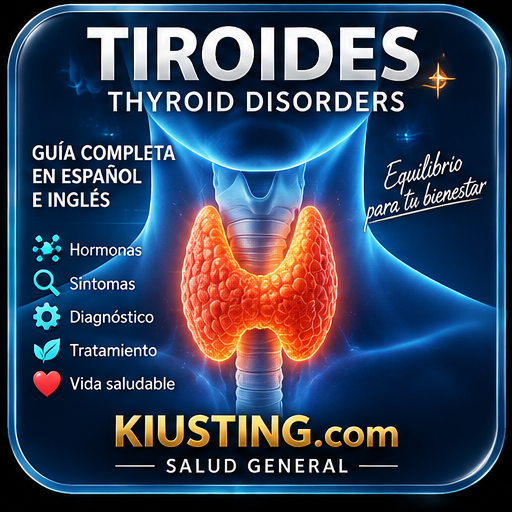
The thyroid is a butterfly-shaped gland in the neck. Its hormones influence metabolism, temperature, the heart, muscles, brain and many other organs.
⬇️ Hypothyroidism
Hypothyroidism occurs when the thyroid produces too little hormone. Symptoms may include fatigue, cold intolerance, constipation, dry skin, weight changes and menstrual changes. Hashimoto disease is a common cause.
⬆️ Hyperthyroidism
Hyperthyroidism occurs when thyroid hormone levels are excessive. It may cause palpitations, tremor, heat intolerance, weight loss, anxiety or more frequent bowel movements. Graves disease is a common cause.
🧪 TSH and T4
TSH is commonly the initial test for thyroid function. If abnormal, free T4 and other tests may help identify the cause. Symptoms alone cannot confirm thyroid disease.
🧬 Antibodies and ultrasound
Thyroid antibodies can help identify autoimmune disease. Ultrasound is used in selected situations, particularly to evaluate nodules or structural changes.
💊 Treatment
Hypothyroidism is commonly treated with thyroid hormone replacement when indicated. Hyperthyroidism may be treated with medicines, radioactive iodine or surgery depending on its cause and individual circumstances.
⚠️ Iodine supplements
More iodine does not necessarily mean a healthier thyroid. Excess iodine or seaweed supplements can worsen some thyroid disorders.
🚨 Urgent symptoms
Severe palpitations with significant illness, chest pain, fainting, marked confusion or breathing difficulty require urgent assessment.
📚 Medical references
Institutional references used for this guide: