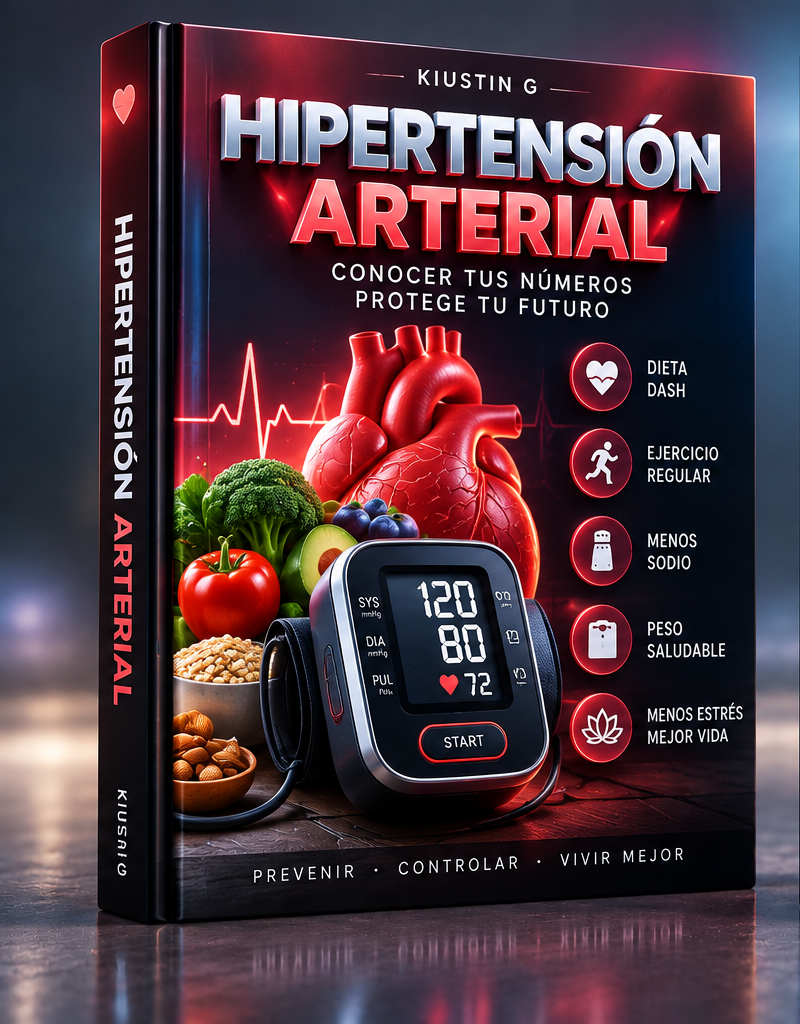
❤️ Understanding the numbers
Below 120 systolic and below 80 diastolic.
120–129 systolic and below 80 diastolic.
130–139 systolic or 80–89 diastolic.
140 or higher systolic, or 90 or higher diastolic.
🩺 Home monitoring
- Use a validated upper-arm blood pressure monitor.
- Avoid exercise, smoking and caffeine for about 30 minutes beforehand.
- Rest quietly for about five minutes.
- Keep your back supported and both feet flat on the floor.
- Support the arm approximately at heart level.
- Remain quiet during measurement.
- Record your readings.
🥗 DASH eating pattern
DASH emphasizes vegetables, fruits, whole grains, low-fat dairy, fish, poultry, beans and nuts.
It limits excess sodium, highly processed foods, saturated fat, sweets and sugar-sweetened drinks.
🚶 Exercise
For many adults, the general goal is at least 150 minutes of moderate aerobic activity each week or 75 minutes of vigorous activity, or a combination.
Strength training can be added about twice weekly.
🌿 Lifestyle and treatment
Healthy weight, avoiding tobacco, good sleep, stress management and appropriate medical treatment can all contribute to cardiovascular health.
🚨 Above 180/120 mmHg
Blood pressure above 180 systolic and/or 120 diastolic requires immediate attention.
If there are no serious symptoms, contact a healthcare professional immediately.
Call 911 if very high blood pressure occurs with chest pain, shortness of breath, severe back pain, numbness, weakness, vision changes or difficulty speaking.
📚 Medical references
Hypertension, DASH diet, exercise and lifestyle guidance.
American Heart AssociationBlood pressure categories, monitoring and emergency guidance.
2025 AHA/ACC High Blood Pressure GuidelineCurrent U.S. hypertension guidance.