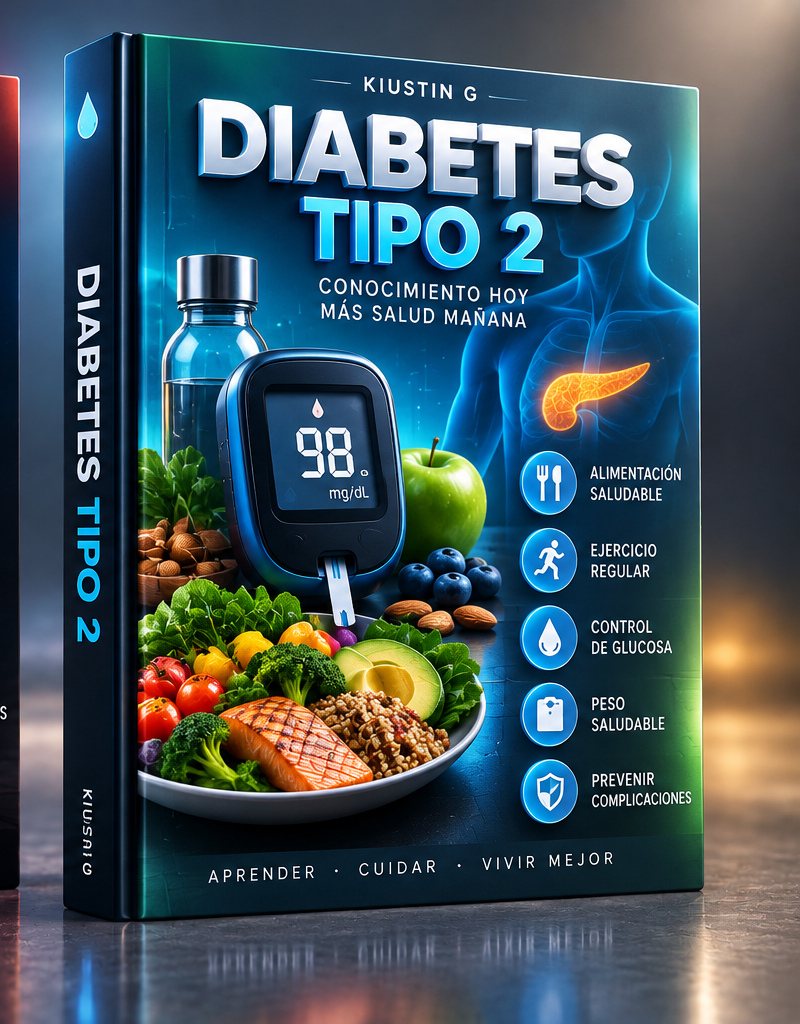
🩸 What is type 2 diabetes?
Glucose is an important source of energy. Insulin helps glucose move from the bloodstream into cells.
In type 2 diabetes, cells become resistant to insulin and the pancreas may eventually be unable to produce enough insulin to keep blood glucose in an appropriate range.
🔎 Possible symptoms
- Increased thirst.
- Frequent urination.
- Unusual fatigue.
- Blurred vision.
- Unintentional weight loss.
- Slow-healing sores.
- Frequent infections.
📊 Glucose and A1C
Below 5.7%.
A1C 5.7% to 6.4%.
A1C 6.5% or higher in the appropriate diagnostic setting.
126 mg/dL or higher is compatible with diabetes when appropriately confirmed.
🥗 Healthy eating
There is no single “diabetes diet.” A healthy pattern emphasizes nutrient-rich foods, appropriate portions and individualized carbohydrate intake.
- Nonstarchy vegetables.
- Whole fruits.
- Whole grains.
- Beans and legumes.
- Lean protein.
- Fish.
- Healthy unsaturated fats.
- Water and unsweetened beverages.
🍽️ The plate method
Nonstarchy vegetables.
Lean protein.
A quality carbohydrate such as a whole grain, beans or an appropriate starchy food.
🏃 Physical activity
For many adults, a general goal is at least 150 minutes of moderate-intensity activity each week.
Strength training involving the major muscle groups can be added two or more days each week when appropriate.
💊 Treatment
Management may include healthy eating, physical activity, weight management, glucose monitoring and medication.
Medication options can include metformin, GLP-1 receptor agonists, SGLT2 inhibitors, other glucose-lowering medicines and insulin in selected cases.
🫀 Reducing complications
- Control blood glucose.
- Monitor blood pressure and cholesterol.
- Avoid tobacco.
- Receive recommended eye examinations.
- Monitor kidney health.
- Check feet regularly.
- Maintain dental and gum health.
🚨 When urgent care may be needed
Seek urgent medical care for severe hyperglycemia accompanied by persistent vomiting, inability to keep fluids down, significant abdominal pain, difficulty breathing, confusion or loss of consciousness.
Severe hypoglycemia can also be dangerous, particularly in people using insulin or certain medicines.
📚 Medical references
Type 2 diabetes, symptoms, diagnosis, nutrition, exercise and treatment.
American Diabetes AssociationDiagnostic criteria, A1C, plate method and Standards of Care.
Centers for Disease Control and PreventionPhysical activity, healthy weight and diabetes prevention.