High Cholesterol: understand your numbers and protect your arteries
Guide to LDL, HDL, triglycerides, Lp(a), ApoB, diet, exercise, cardiovascular risk and treatment.
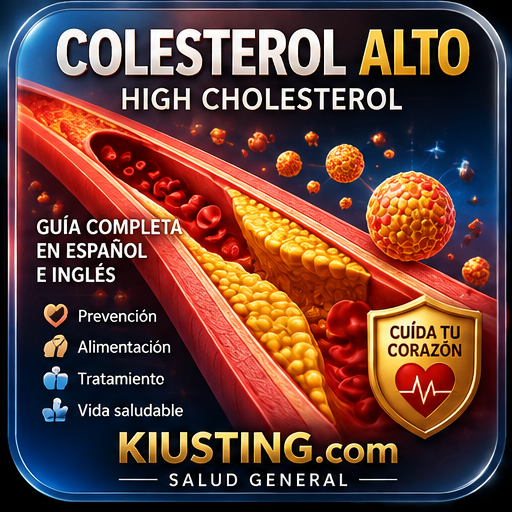
What is cholesterol?
Cholesterol is necessary for normal body function, but elevated atherogenic lipoproteins can promote plaque buildup in arteries.
LDL, HDL and triglycerides
A lipid panel commonly includes total cholesterol, LDL-C, HDL-C and triglycerides. Results should be interpreted with other cardiovascular risk factors.
Lp(a) and ApoB
The 2026 AHA/ACC dyslipidemia guideline incorporates Lp(a) and ApoB as useful tools to refine risk in selected people.
Cardiovascular risk
Age, blood pressure, diabetes, smoking, family history, cholesterol and kidney function all influence overall cardiovascular risk.
Healthy eating and exercise
Emphasize vegetables, fruits, legumes, whole grains, nuts, fish and unsaturated fats. Regular physical activity also helps reduce risk.
Treatment
Statins remain a major therapy when indicated. Other treatment options are available depending on risk, response and tolerance.
When to seek medical advice
High cholesterol usually causes no symptoms. Periodic testing can identify it before cardiovascular complications occur.