Chronic kidney disease: early detection can help protect kidney function
Educational guide to chronic kidney disease, eGFR, UACR, albuminuria, diabetes, hypertension, prevention and treatment.
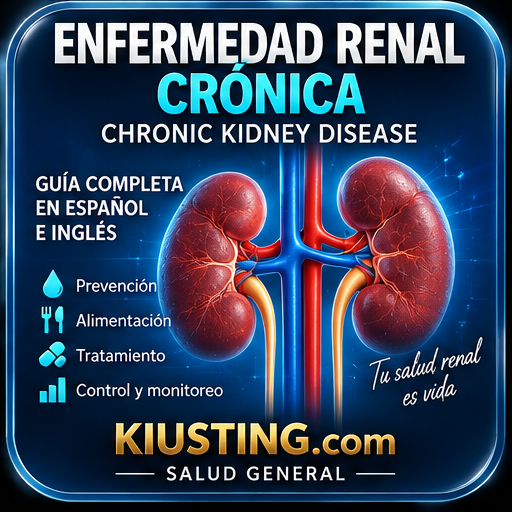
🫘 What do the kidneys do?
The kidneys filter waste and excess fluid, help regulate electrolytes and blood pressure, and participate in important hormonal functions.
🔎 CKD can be silent
Chronic kidney disease can progress without obvious symptoms in its early stages. Diabetes and high blood pressure are major risk factors, although many other causes exist.
🩸 eGFR
Estimated glomerular filtration rate, or eGFR, helps assess kidney filtration. A single result should be interpreted in clinical context and confirmed over time when appropriate.
🧪 UACR and albuminuria
The urine albumin-to-creatinine ratio, or UACR, is a key test. A UACR above 30 mg/g may indicate kidney disease and generally requires clinical interpretation and confirmation.
🩺 Managing risk factors
Managing blood pressure, diabetes and cardiovascular disease can help protect kidney function. Treatment is individualized according to cause, stage, albuminuria and other conditions.
💊 Medicines and kidney function
Some medicines require dose adjustment based on kidney function. Frequent use of certain anti-inflammatory pain medicines can be problematic for people with kidney disease.
🥗 Nutrition
Needs for sodium, protein, potassium and phosphorus can vary by CKD stage and laboratory results. There is no single kidney diet that is appropriate for everyone.
🚨 When urgent assessment is needed
A major drop in urine output, severe shortness of breath, confusion, rapidly increasing swelling, severe pain or acute deterioration requires medical assessment.
📚 Medical references
Institutional references used for this guide: