Migraine and headache: recognizing the pattern can help find the right treatment
Educational guide to migraine and headache, aura, triggers, headache diary, treatment and neurological warning signs.
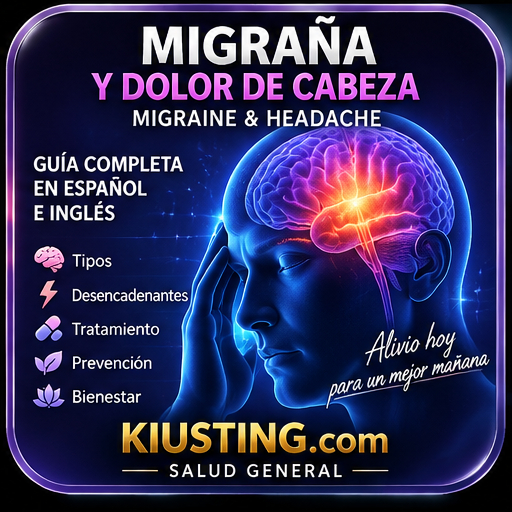
🧠 Migraine is more than pain
Migraine is a neurological disorder. It can cause throbbing pain, nausea and sensitivity to light, sound or smells. Some people experience visual, sensory or language aura.
📝 Keep a headache diary
Recording timing, duration, intensity, associated symptoms, sleep, meals and possible triggers can help a healthcare professional identify patterns.
💧 Helpful routines
Hydration, regular sleep and meals, appropriate physical activity and stress management may reduce attacks for some people.
💊 Acute treatment
Treatment of an attack may include over-the-counter medicines or migraine-specific therapies depending on medical history and individual characteristics.
🛡️ Prevention
When attacks are frequent, prolonged or disabling, preventive treatment may be considered. Several medication classes are available, including therapies targeting CGRP.
⚠️ Medication overuse
Frequent use of some headache medicines can contribute to medication-overuse headache. Repeated need for medication should prompt review of the treatment plan.
🚨 Headache red flags
Seek immediate care for a sudden explosive headache, a new headache with weakness or speech difficulty, fever with neck stiffness, loss of consciousness, headache after major trauma, or a new rapidly progressive pattern.
👩⚕️ Medical evaluation
A new or different headache, particularly during pregnancy or postpartum, in people who are immunocompromised or have cancer, or with neurological symptoms deserves medical assessment.
📚 Medical references
Institutional references used for this guide: