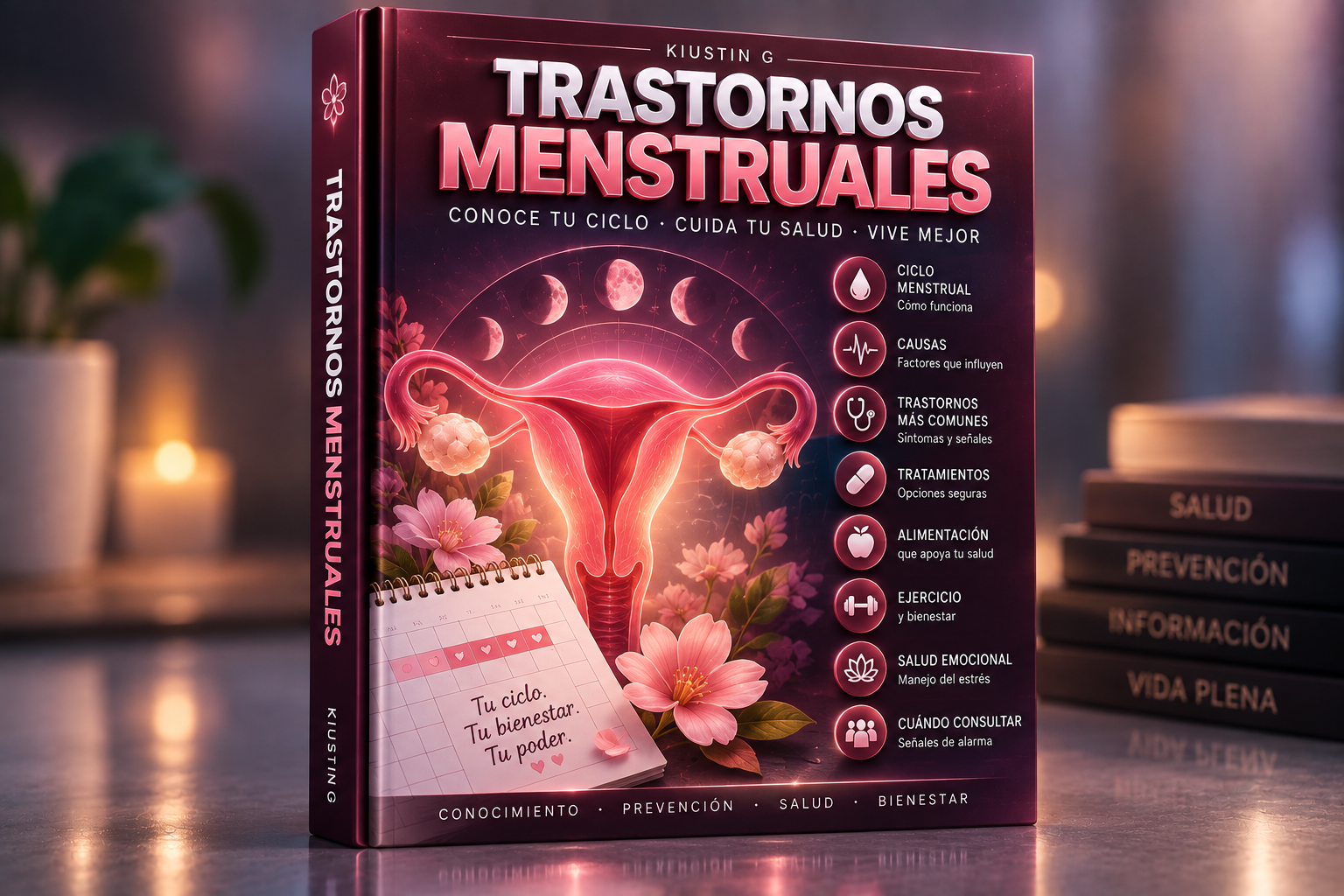
🩸 Understanding the menstrual cycle
The menstrual cycle is counted from the first day of one period to the first day of the next. It is regulated through interactions between the brain, pituitary gland, ovaries and uterus.
Hormone levels change during the cycle, an ovarian follicle develops, ovulation may occur and the uterine lining prepares for a possible pregnancy. If pregnancy does not occur, the lining is shed as a period.
📅 Common menstrual problems
The interval between periods changes considerably or menstruation occurs at unexpected frequencies.
The amount or duration of bleeding interferes with everyday activities or causes symptoms related to blood loss.
Absence of menstruation. It can occur naturally during pregnancy, breastfeeding and menopause but may also have other causes.
Pain associated with menstruation. It can be primary or related to an underlying gynecologic condition.
Bleeding or spotting outside the expected menstrual period may require evaluation depending on age and circumstances.
This may have cervical, vaginal or uterine causes and should be evaluated when new or recurrent.
🌊 Abnormal uterine bleeding
Abnormal uterine bleeding describes changes in the frequency, regularity, duration or amount of uterine bleeding.
It is a symptom rather than a single diagnosis. Causes may be hormonal, structural, hematologic, medication-related or associated with other medical conditions.
Benign growths of uterine muscle that can cause heavy or prolonged periods, pelvic pressure and pain.
Usually benign growths involving the uterine lining or cervix that may cause irregular bleeding or spotting.
A condition involving endometrial tissue within the uterine muscle that may cause heavy and painful periods.
Irregular ovulation can lead to irregular or heavy uterine bleeding.
🩸 Heavy menstrual bleeding
Heavy menstrual bleeding can interfere with quality of life and may lead to iron deficiency or anemia.
- Changing menstrual protection every one to two hours.
- Bleeding for more than a week.
- Needing double menstrual protection.
- Waking at night to change protection.
- Repeated large blood clots.
- Fatigue, weakness, dizziness or shortness of breath.
⏸️ Amenorrhea
Amenorrhea may be primary, when menstruation has not begun by the expected age, or secondary, when someone who previously menstruated stops having periods for several months.
Pregnancy is an important possibility to exclude when a period is unexpectedly missed in someone who could become pregnant.
Polycystic ovary syndrome can cause irregular ovulation, widely spaced periods or amenorrhea.
Thyroid disease, elevated prolactin and other endocrine disorders may affect menstruation.
Major weight loss, inadequate energy intake, eating disorders and intense physical training can interfere with ovulation.
Severe physical or emotional stress can temporarily affect the hormonal pathways controlling ovulation.
Some hormonal contraceptives and medications can change or suppress menstrual bleeding.
⚡ Painful periods · Dysmenorrhea
Mild menstrual cramps are common, but severe pain that prevents normal work, school, sleep or daily activities deserves evaluation.
Menstrual pain without an identified pelvic disease. Prostaglandins and uterine contractions play an important role.
Pain caused by another condition such as endometriosis, adenomyosis, fibroids or another pelvic disorder.
🌸 Endometriosis
Endometriosis occurs when tissue similar to the uterine lining grows outside the uterus. It may cause inflammation, pelvic pain and fertility problems.
- Severe menstrual pain.
- Pelvic pain that worsens over time.
- Pain during or after sex.
- Pain with bowel movements or urination around menstruation.
- Heavy or irregular bleeding.
- Difficulty becoming pregnant.
🧬 Polycystic ovary syndrome · PCOS
PCOS is a common endocrine disorder during reproductive years. It can interfere with ovulation and cause irregular or absent periods.
Ovulation may occur less often, resulting in widely spaced periods or amenorrhea.
Possible signs include acne, excess facial or body hair and androgen-pattern hair loss.
Some people with PCOS have insulin resistance, abnormal glucose levels, dyslipidemia or other metabolic risk factors.
Irregular ovulation can make pregnancy more difficult, but treatments are available when fertility is desired.
🌙 PMS and PMDD
Premenstrual syndrome (PMS) involves recurring physical and emotional symptoms before menstruation that improve after the period begins.
Bloating, breast tenderness, headache, fatigue, appetite changes and muscle discomfort may occur.
Irritability, mood changes, anxiety, difficulty concentrating and sleep changes may occur.
When mood symptoms are severe enough to substantially disrupt work, school, relationships or everyday life, premenstrual dysphoric disorder (PMDD) may need to be considered.
🌿 Healthy habits
Regular aerobic activity can support general health and may help reduce some menstrual and premenstrual symptoms.
A varied diet containing vegetables, fruits, legumes, whole grains, protein and appropriate sources of iron and calcium supports health.
Regular sleep habits may be particularly helpful when fatigue or premenstrual symptoms are present.
Relaxation, breathing exercises, yoga or meditation may help some people manage symptoms.
🌅 Perimenopause
During the transition toward menopause, ovulation becomes less predictable and menstrual frequency and bleeding can change.
Although some variation is expected, very heavy bleeding, bleeding between periods, bleeding after sex or any bleeding after menopause should be evaluated.
🔬 How are menstrual disorders evaluated?
Timing, duration, frequency, amount of bleeding, clots, pain and changes from the usual pattern are important.
This may be one of the first tests when pregnancy is possible and amenorrhea or abnormal bleeding occurs.
These can help identify anemia or iron deficiency when bleeding is heavy.
Depending on the situation, thyroid function, prolactin, androgens or other hormones may be evaluated.
Ultrasound can assess the uterus, endometrium and ovaries and help identify structural abnormalities.
Depending on age and risk factors, hysteroscopy, sonohysterography or endometrial biopsy may be appropriate.
📱 Track your menstrual cycle
Keeping records for several cycles can provide useful information for medical evaluation.
- First and last day of bleeding.
- Light, moderate or heavy flow.
- How often menstrual protection is changed.
- Blood clots.
- Pain and its severity.
- Bleeding between periods.
- Bleeding after sex.
- Premenstrual physical or emotional symptoms.
- Medications and contraception.
🚨 Warning signs
- Very heavy bleeding soaking a pad or tampon about every hour for several hours.
- Heavy bleeding with dizziness, fainting, shortness of breath or chest pain.
- Sudden severe pelvic pain.
- Bleeding when pregnancy may be possible.
- Any bleeding after menopause.
- Period pain severe enough to prevent normal activities.
- Previously regular periods becoming persistently irregular.
- Unexplained absence of menstruation for several months.
❓ Frequently asked questions
Does a normal menstrual cycle have to be exactly 28 days?
No. Menstrual cycle length varies among individuals and can also change throughout life.
Is severe period pain normal?
Mild cramps are common, but severe pain that disrupts everyday activities should be evaluated.
Can heavy periods cause anemia?
Yes. Repeated blood loss may cause iron deficiency and anemia, which can lead to fatigue, weakness, dizziness or shortness of breath.
Can stress affect menstruation?
Yes, but persistent menstrual changes should not automatically be attributed to stress without considering other causes.
Does PCOS always mean ovarian cysts?
No. PCOS is a hormonal and ovulatory disorder, and ultrasound appearance alone does not establish the diagnosis.
Can contraception change menstrual bleeding?
Yes. Depending on the method, bleeding may become lighter, irregular or may stop. Copper IUDs may increase bleeding in some users, particularly at first.
Is bleeding after menopause normal?
No. Any bleeding after menopause should be medically evaluated.
📚 Medical references
Clinical information about abnormal uterine bleeding, amenorrhea, painful periods, PMS and menstrual health.
Mayo ClinicInformation about menstrual cycles, heavy bleeding, amenorrhea, endometriosis, fibroids and perimenopause.
Hospital Clínic BarcelonaInformation about gynecologic ultrasound, endometriosis, PCOS and gynecologic disorders.